Southern Restaurant Pittsburgh, PA: Southern Comfort in Every Bite
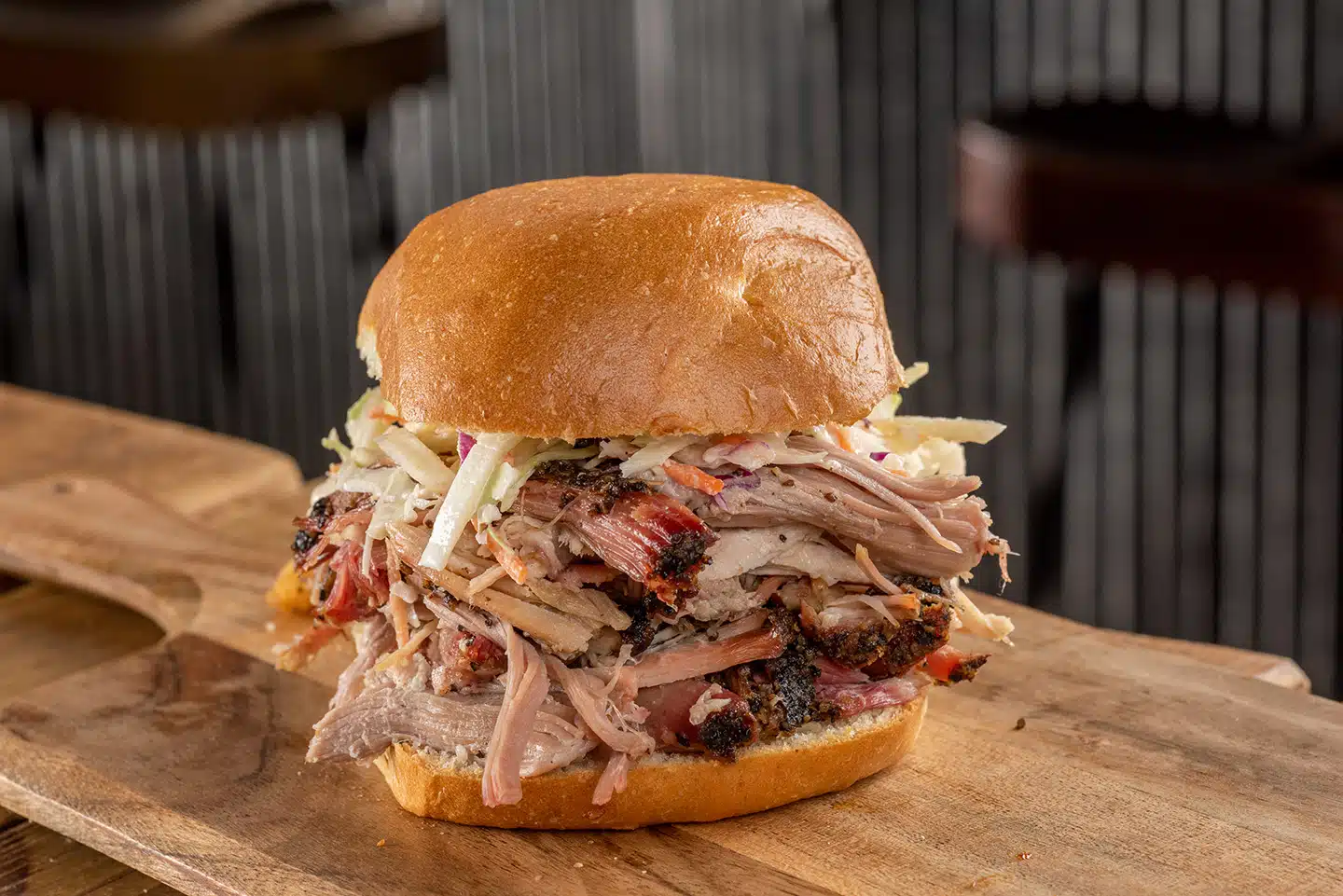
Pittsburgh has always been a city that understands hearty food. It is built into the weather, the work history, and the way people gather around a table. Cold winters, long sports seasons, and a local affection for generous portions have created the perfect setting for Southern cooking to thrive. When people search for a southern restaurant Pittsburgh, PA diners can count on, they are usually looking for more than a meal. They want warmth, depth of flavor, and the kind of hospitality that lingers after the plate is cleared.
That is exactly what Southern food does well when it is taken seriously. It turns familiar ingredients into something memorable. Fried chicken becomes a study in texture. Greens carry smoke, acid, and time in every bite. Biscuits reveal whether a kitchen has discipline. Shrimp and grits can tell you, within minutes, whether the cooks understand balance or are simply chasing a trend.
In Pittsburgh, Southern restaurants fill an interesting role. They are not trying to imitate Charleston, Nashville, or New Orleans exactly. The best ones know where they are. They respect Southern traditions while cooking for a Western Pennsylvania audience that values substance and honesty. That combination can be deeply satisfying when it is done right.
Why Southern food feels at home in Pittsburgh
There is a natural overlap between Pittsburgh’s food culture and Southern cooking. Both traditions grew from practicality, thrift, and a respect for ingredients that can stretch across a family table. Slow braises, cast iron cookery, smoked meats, rich gravies, and comfort dishes all make sense here. You can feel that connection immediately when a restaurant serves collard greens with a proper pot liquor, or mac and cheese that arrives with a browned crust instead of a glossy, soupy shortcut.
The other overlap is emotional. Southern food is often tied to memory, and Pittsburgh diners respond strongly to food that feels personal. A polished dining room can work, but even in a refined setting, Southern cooking needs some soul. It should feel like somebody cares whether you leave happy. That does not mean every restaurant has to be casual. It means the food cannot feel detached.
I have found that people often underestimate how technical Southern cooking really is. They assume comfort food means easy food. In practice, some of the hardest dishes to get right are the ones that appear simple. A biscuit can fail because the fat got too warm. Fried chicken can disappoint because the seasoning stopped at the crust. Gumbo can go flat if the roux lacks depth, or if the stock never developed body. At a strong southern restaurant Pittsburgh, PA guests should expect craft hiding inside comfort, not the other way around.
What separates a good Southern restaurant from a forgettable one
The first sign is restraint. A weaker restaurant tends to overdo everything at once, too much sugar in the cornbread, too much salt in the sides, too much heat with no structure behind it. Strong Southern cooking does not need to shout. It has confidence. The seasoning should be layered, the textures distinct, and the richness managed so the meal remains enjoyable from first bite to last.
The second sign is how the kitchen handles the side dishes. In many cuisines, sides are background. In Southern cooking, they are often the measure of the house. If the greens taste canned, the beans taste lifeless, or the mashed potatoes feel like an afterthought, the rest of the menu will probably follow. I have eaten excellent entrées saved by remarkable sides, and flashy entrées exposed by weak ones.
The third sign is attention to fry work. This matters more than many diners realize. Southern menus often depend on fried chicken, catfish, green tomatoes, oysters, or hush puppies. That means the kitchen has to manage oil temperature, batter adhesion, hold time, and seasoning discipline across a busy service. If a place can send out hot, crisp, properly salted fried food consistently, it usually has its systems in order.
Then there is hospitality. Southern restaurants trade on a feeling as much as a flavor profile. Service does not need to be overly familiar, but it should feel generous. A server who can explain the difference between two styles of barbecue, steer a guest toward the house specialty, or gently warn that the hot chicken carries real heat is doing more than taking an order. They are extending the experience.
The dishes worth paying attention to
A broad Southern menu can be exciting, but there are a few dishes that reveal the kitchen’s level almost immediately.
- Fried chicken, because it tests seasoning, timing, and crust.
- Biscuits, because they expose technique with nowhere to hide.
- Shrimp and grits, because the dish collapses if the textures or seasoning are off.
- Collard greens, because long cooking must still preserve character.
- Banana pudding or peach cobbler, because dessert often shows whether comfort is genuine or performative.
Fried chicken should arrive juicy, with a crust that stays attached and shatters cleanly. If the breading slides away in one piece, the process probably broke down somewhere between dredging and frying. Good chicken also needs seasoning beneath the crust. Salt only on the outside is a shortcut that never fools anyone who has eaten the dish often.
Biscuits are a quieter but equally revealing benchmark. Great biscuits are tender rather than dense, rich without becoming greasy, and sturdy enough to split cleanly. They should not taste like baking powder first and butter second. A biscuit that crumbles into dust at first touch, or one that eats like a bread roll, tells you the kitchen either rushed the method or never learned it properly.
Shrimp and grits may be the most commonly mishandled dish on Southern menus outside the South. Too often the grits are underseasoned and stiff, the shrimp overcooked, and the sauce too heavy. The best versions have a silky base with real corn flavor, shrimp cooked only until firm, and enough brightness to cut through the richness. Even a little acid from lemon, tomato, or a sharp pan sauce can transform the plate.
As for greens, they should taste developed, not merely soft. Good collards carry bitterness, savoriness, and a little tang. Their pot liquor should be worth sopping up with cornbread. If a kitchen gets this right, it usually respects tradition instead of treating Southern food as costume.
Smoke, spice, and the Pittsburgh palate
One reason Southern food works so well in Pittsburgh is that local diners are open to boldness, but they still want balance. Smoke is welcome. Spice is welcome. Rich sauces are welcome. Yet the meal has to remain grounded. That is where some restaurants succeed and others stumble.
Barbecue is a clear example. A restaurant may offer pulled pork, ribs, brisket, or smoked chicken under a broad Southern banner, but smoke alone is not enough. The meat needs moisture, bark, and seasoning that supports the protein rather than masking it. Sauce is a choice, not a rescue. In Pittsburgh, where diners know the difference between satisfying food and sloppy excess, over-saucing can work against a restaurant’s credibility.
Heat is another point of judgment. Nashville-style hot chicken and Cajun-inspired dishes have become more common in cities far from their origins, but the best kitchens know when to adapt and when to hold the line. A lightly spiced hot chicken that is all paprika and no burn will disappoint the guest who ordered it for a reason. On the other hand, a dish that is brutally hot without flavor feels like a dare, not dinner. Pittsburgh diners generally appreciate intensity when it comes with intention.
Southern hospitality in the dining room
Service style matters more in this category than it does in many others. People come to a Southern restaurant expecting some degree of ease. That does not mean the room must be rustic or informal. A modern space with polished service can still feel true to the cuisine. The real question is whether the experience feels welcoming rather than transactional.
Good Southern hospitality often shows up in small moments. Water glasses get noticed before they empty. A server checks whether guests want extra hot sauce without forcing the issue. Someone explains the daily special with enough detail that it sounds cooked, not recited. Timing feels paced for enjoyment rather than table turnover.
I have seen diners forgive a slightly delayed entrée when the staff handled the table with warmth and confidence. I have also seen technically decent food lose its appeal because the service felt cold. Southern cooking is communal by nature. The room should support that.
For families, this style of service matters even more. Southern menus tend to be approachable for mixed groups because they offer familiar proteins, indulgent sides, and desserts that speak to almost everyone. A restaurant that can make parents feel relaxed, satisfy older relatives who care about traditional cooking, and still impress younger diners looking for bolder flavors has found a strong sweet spot.
Where Southern cooking fits in Pittsburgh’s broader food scene
Pittsburgh’s dining culture has become more varied over the years, but it still rewards restaurants that know exactly what they are. Southern food fits especially well because it can stretch across several dining occasions without losing its identity. It works for brunch, date night, game-day https://kylerwfpu575.opalvector.com/posts/southern-restaurant-pittsburgh-pa-why-it-belongs-on-your-food-bucket-list takeout, family dinners, and celebratory meals that do not need the stiffness of fine dining.
Brunch deserves special mention. Southern brunch, when done well, can be one of the most appealing meals in the city. Chicken and waffles, shrimp and grits, biscuits with sausage gravy, and sweet potato hash all make sense for Pittsburgh weekends. These are dishes with enough substance to feel worth going out for. They also reward strong prep and a kitchen that can balance speed with care, two qualities that matter in a busy brunch rush.
Dinner has more range. Some Southern restaurants lean toward barbecue and bourbon. Others angle toward Lowcountry, Cajun, or Creole influences. A few operate in a more modern American mode while borrowing heavily from Southern traditions. Diners should not assume that every Southern restaurant offers the same experience. One may be ideal for ribs and beer, another for cocktails and refined takes on classics, and another for carryout comfort on a cold night.
That variety is healthy. It means Southern food is not trapped in one idea of itself. Pittsburgh benefits from restaurants that can honor the classics while reflecting the city’s own tastes and rhythms.
How to choose the right southern restaurant in Pittsburgh, PA
If you are deciding where to book a table or place a takeout order, a little menu reading goes a long way. The words Southern, comfort, and soulful appear often, but menus reveal how serious the kitchen really is.
Look for signs of intention. Are the sides developed and varied, or do they sound generic? Does the menu suggest a point of view, maybe Carolina barbecue influences, Gulf Coast seafood, or a brunch focus? Are the desserts house-made or clearly an afterthought? Even drink menus can tell a story. A thoughtful bourbon list, classic cocktails, sweet tea done properly, or seasonal drinks built around Southern flavors often suggest a restaurant that pays attention to the full experience.
It also helps to consider the occasion.
- For a casual meal, prioritize consistency, fried items done fresh, and generous portions.
- For a date night, look for a shorter, more focused menu and a beverage program with depth.
- For family dining, seek broad side selections and shareable starters.
- For takeout, choose dishes that travel well, such as smoked meats, mac and cheese, or cobblers.
- For brunch, favor places known for handling volume without sacrificing biscuit quality or egg cookery.
Takeout deserves its own practical note. Not every Southern dish survives the trip home gracefully. Fried foods lose steam quickly if packed poorly. Biscuits can hold, but gravy separates if it sits too long. Smoked meats, braised greens, mac and cheese, and sturdy desserts often travel best. If the restaurant offers reheating guidance, that is usually a good sign. It means they care what the food tastes like after it leaves the building.
The role of ingredients and why shortcuts show
Southern food has humble roots, but that does not excuse weak sourcing. Quality still matters. Chicken quality affects both flavor and moisture. Good grits matter. Fresh herbs, proper sausage, decent shrimp, and real stock all leave fingerprints on the final dish.
Shortcuts show fastest in cream-heavy items. Mac and cheese made from a bland base sauce tastes heavy without tasting rich. Instant grits or poorly cooked grits develop a gummy texture that no garnish can save. Premade desserts often feel especially disappointing in a Southern restaurant because dessert is part of the emotional payoff. People expect banana pudding that tastes assembled with care, or peach cobbler with fruit that still has character.
Cornbread may be the most divisive item on any Southern menu, and that is not necessarily a problem. Some diners prefer it sweeter, others more savory and crumbly. The issue is not style but execution. A sweet cornbread can still be excellent if it stays moist and tastes like corn rather than cake. A savory version can be superb if it avoids dryness and has enough fat to stay tender. What matters is that the restaurant makes a choice and carries it well.
A note on authenticity, which is often discussed poorly
Authenticity is one of the most overused words in restaurant writing, especially with regional cuisines. Southern food is not one thing. It is many traditions, shaped by Black culinary history, immigrant influences, agricultural realities, class, geography, and migration. The food of coastal Louisiana is not the same as the food of Appalachia, the Carolinas, Mississippi, or East Texas.
So when evaluating a southern restaurant Pittsburgh, PA diners should ask a better question than “Is it authentic?” Ask whether it is respectful, skillful, and honest about its influences. A Pittsburgh restaurant does not need to replicate another place perfectly to be worthwhile. It does need to cook with understanding. If a chef is adapting a dish, that is fine. The adaptation should still make culinary sense.
The strongest restaurants usually communicate that respect in subtle ways. Their gumbo has depth rather than just spice. Their greens are seasoned from the pot upward. Their desserts feel rooted in memory, not just sugar. Their menus avoid flattening the South into one stereotype.
What keeps people coming back
Repeat business in this category rarely depends on novelty. People return for reliability and comfort. They want the chicken to be just as crisp as it was last time, the biscuits just as tender, the sides just as satisfying. Southern restaurants earn loyalty through consistency more than spectacle.
That does not mean the experience should never evolve. Seasonal specials can work beautifully, especially in a city like Pittsburgh where diners respond to the calendar. A summer tomato pie, a winter braise over cheese grits, or a peach dessert at peak season can add freshness without straying from the restaurant’s identity. But the heart of the menu should remain dependable.
There is also a social reason people come back. Southern food is built for sharing, even when the plates are individual. One person orders fried catfish, another gets short ribs over grits, the table splits biscuits and pimento cheese, and dessert becomes a group decision. That dynamic suits Pittsburgh well. This is a city where people still like to eat together, compare plates, and argue cheerfully over who ordered best.
A memorable Southern meal in Pittsburgh should leave you full, certainly, but not merely full. It should leave an impression of care. Maybe it is the crisp edge on the cornbread, the slow depth of the greens, the balance in a bourbon cocktail, or the fact that the server knew exactly when to recommend the cobbler. Small details accumulate. They are what turn comfort food into a restaurant worth talking about.
For diners exploring the city’s options, that is the promise behind the search for a true southern restaurant Pittsburgh, PA destination. Not just food that is heavy or familiar, but food with backbone, generosity, and enough craft to make comfort feel earned. When that combination lands, every bite does what Southern cooking has always done best. It welcomes, satisfies, and stays with you long after the meal ends.
Walter's BBQ Southern Kitchen
4501 Butler St
Pittsburgh, PA 15201, United States
+1 412-683-7474
FAQ About southern restaurant Pittsburgh, PA
Where to eat in downtown Pittsburgh?
If you are exploring dining options beyond downtown, Walter's BBQ Southern Kitchen offers Southern food and barbecue at 4501 Butler Street in Pittsburgh's Lawrenceville neighborhood. It is outside downtown, so allow travel time when planning your visit.
What is a must eat in Pittsburgh?
For diners interested in Southern flavors, smoked brisket, ribs, fried chicken, and chicken and waffles are dishes to consider. Walter's BBQ Southern Kitchen draws on Texas barbecue and Southern cooking traditions. Check the current menu for the dishes available during your visit.
What are some of Pittsburgh's unique restaurants?
Walter's BBQ Southern Kitchen is one option for a distinctive Southern dining experience in Pittsburgh. Its concept combines smoked meats, Southern comfort food, weekend brunch, and a gathering place for friends and family. The restaurant is located on Butler Street in Lawrenceville.