Drunken Noodles with Pork: A Tasty Alternative
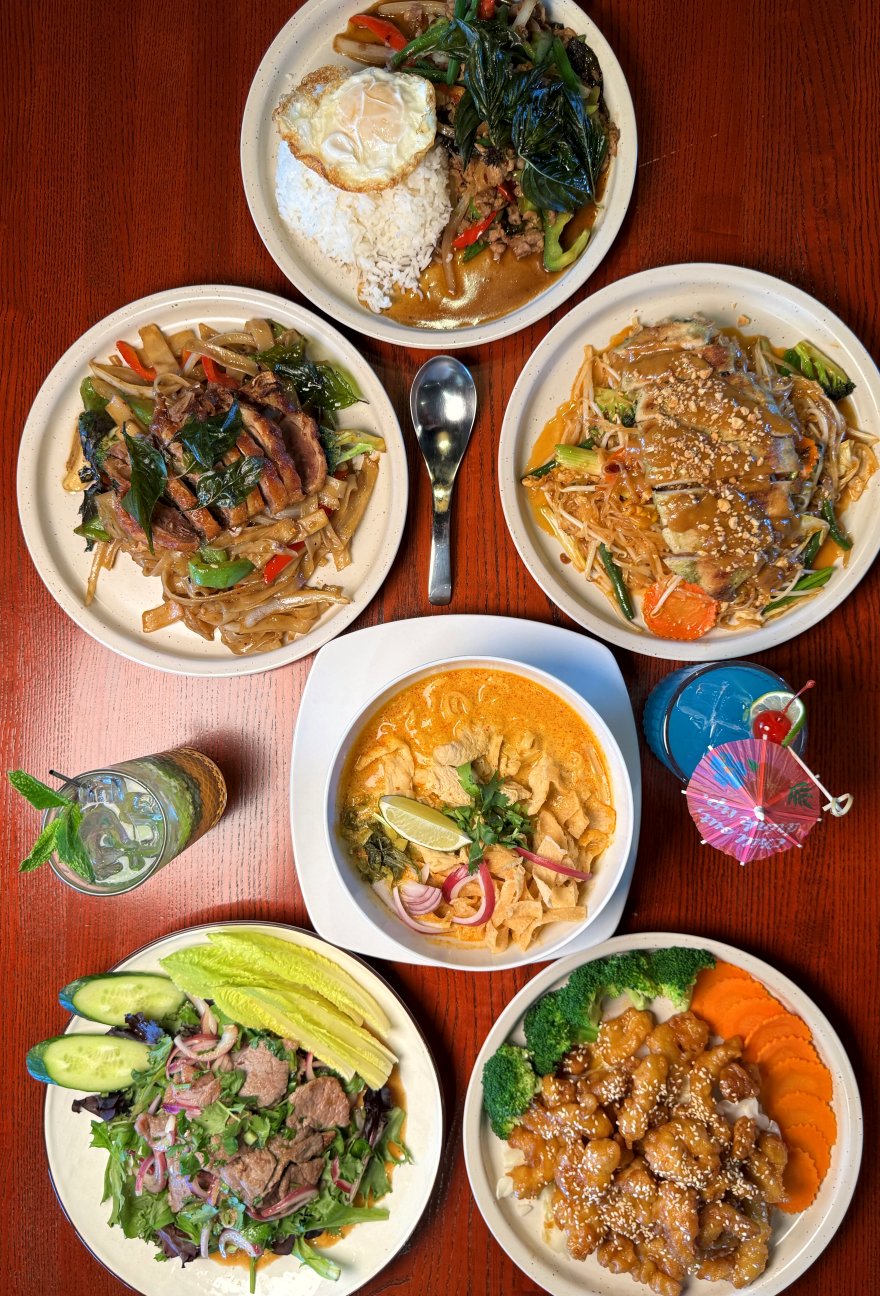
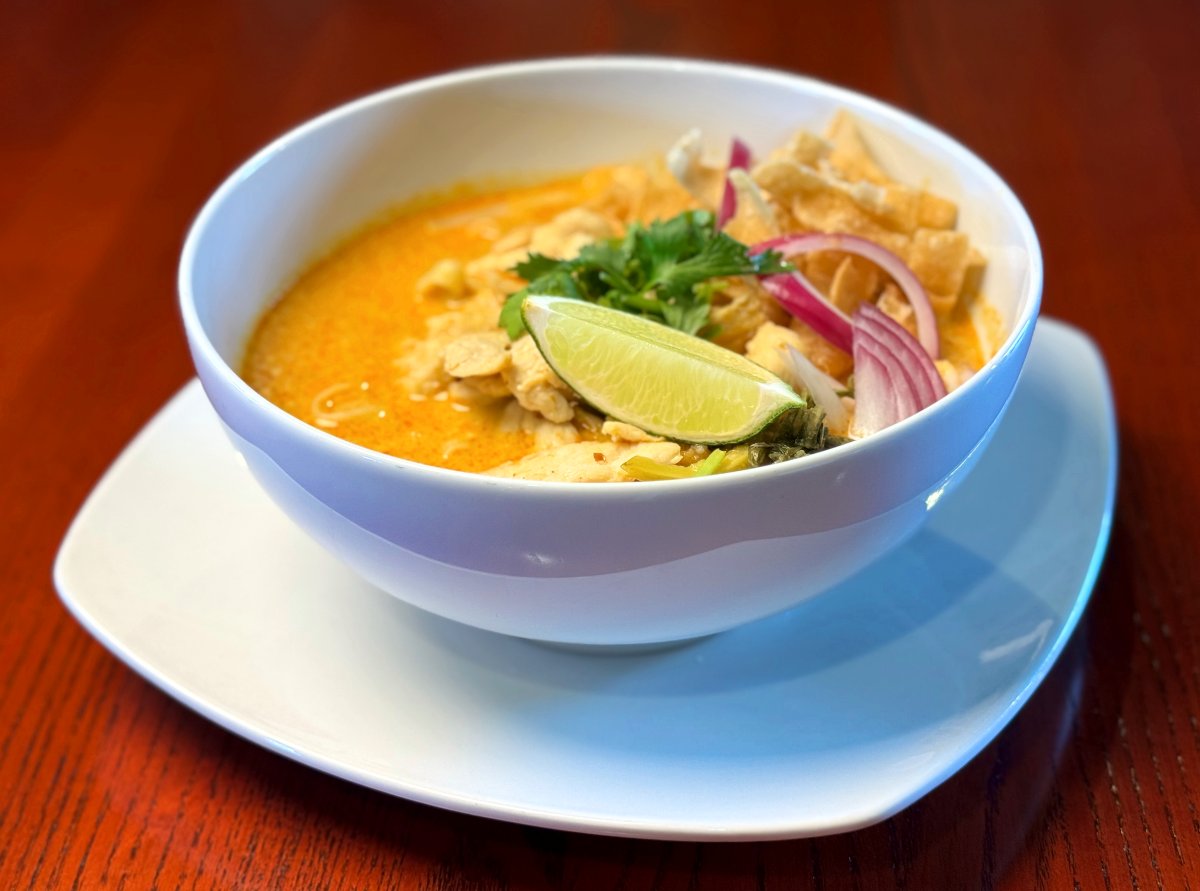
Drunken Noodles have a way of grabbing your attention before the plate even lands on the table. You smell the basil first, then the garlic, then the sweet-salty heat rising off the noodles in a faint cloud. Done well, the dish is glossy, loose, and fiery in a balanced way, with wide rice noodles that catch sauce in every fold. Most people think immediately of chicken, shrimp, or beef versions, but pork deserves a place in that conversation. In many home kitchens, it is not just a substitute. It is the better choice.
Pork brings a fuller savoriness than chicken and a softer bite than beef, especially when cooked quickly over high heat. It also gives you more room to shape the finished dish. Lean pork loin stays tidy and clean-tasting. Pork shoulder offers richer flavor and tenderness. Ground pork turns Drunken Noodles into something weeknight-friendly without making it feel like a compromise. That flexibility matters if you cook often and care as much about texture as flavor.
This is one of those dishes that rewards judgment more than strict adherence. A recipe can guide you, but Drunken Noodles live or die on timing, heat, and balance. The noodles should be tender but not ragged. The sauce should cling, not pool. The basil should hit the pan just long enough to perfume the dish, not enough to blacken into bitterness. Pork fits beautifully into that rhythm because it cooks fast and carries seasoning well.
Why pork works so well here
The appeal of pork in stir-fried noodle dishes comes down to a few practical truths. First, pork loves aggressive seasoning. Oyster sauce, fish sauce, soy sauce, chiles, garlic, and a little sugar all land naturally on pork. Nothing fights for attention. Second, pork browns quickly, which is important in a dish that moves fast. Third, it offers a sweet, meaty note that rounds off the sharp edges of heat and salt.
When I first started making Drunken Noodles at home, I reached for chicken out of habit. It was fine, but it often felt separate from the sauce unless I marinated it or sliced it exceptionally thin. Beef had more presence, but it also had a narrower margin for error. A minute too long and it tightened up. Pork sat right in the middle. It stayed flavorful, forgiving, and adaptable across price points and cuts.
There is also the matter of fat. A little pork fat in the pan does useful work. It coats the noodles, carries the aroma of the garlic and chiles, and softens the starkness of the sauce. You do not want greasy noodles, but a lean-only version can taste oddly flat, especially if the basil and vegetables are not at their peak. Even a small amount of fat from pork can make the whole plate taste more complete.
What Drunken Noodles are supposed to feel like
People often get distracted by the name and go looking for a backstory. The more useful question is what the dish should taste and feel like on the plate. At its best, Drunken Noodles are bold but not chaotic. You want heat, but also sweetness. You want salinity, but also freshness from basil and vegetables. The noodles should be chewy and slippery, not mushy or dry.
Texture is what separates a decent version from a memorable one. Wide rice noodles should bend and fold without breaking apart. Pork should be tender and lightly browned. Vegetables should still have some snap. Even the sauce matters texturally. It needs enough body to gloss the noodles, but not so much thickness that it turns sticky and heavy. This is not a lacquered takeout noodle pile. It should still feel alive.
That balance becomes especially clear when using pork. A strip of browned pork with a frilled edge, tangled into a ribbon of noodle with basil and chile, gives you contrast in every bite. It is satisfying in a way that feels deliberate rather than heavy.
Choosing the right cut of pork
The best cut depends on how you cook and how much time you have. There is no single correct answer, but there are better and worse options depending on your setup.
If you want clean slices and quick cooking, pork loin is a strong pick. Slice it thinly across the grain and it will cook in well under two minutes once it hits a hot pan. It stays relatively lean, which helps if you like your Drunken Noodles on the lighter side. The downside is that it can dry out if you hesitate even briefly.
Pork shoulder gives better flavor and a little more forgiveness. If you partially freeze it for twenty minutes, it becomes easier to slice thinly. Those slices caramelize beautifully and stay tender, especially if they have a little marbling. For many cooks, this is the sweet spot.
Ground pork is underrated. It does not give you the dramatic look of sliced meat, but it picks up sauce brilliantly and makes weeknight cooking much easier. It also spreads through the dish, so every bite carries some meatiness. When I cook for a family table and need dinner on the table fast, ground pork is often the smartest move.
Pork tenderloin can work too, although it is sometimes almost too delicate for the assertive nature of Drunken Noodles. It has less fat and needs careful timing. I use it when I want a cleaner finish and I know the basil is particularly fragrant.
The ingredients that really matter
You can improvise around this dish, but a few components deserve attention because they define the result.
- Wide rice noodles, fresh if possible, or dried ones rehydrated just until pliable
- Pork, sliced thin or crumbled if using ground pork
- Garlic, fresh chiles, and Thai basil
- A sauce built from oyster sauce, fish sauce, soy sauce, and a little sugar
- Quick-cooking vegetables such as onion, bell pepper, Chinese broccoli, or green beans
Fresh rice noodles are ideal because they bring a soft elasticity that is difficult to reproduce with dried noodles. That said, dried noodles are entirely workable if you soak or boil them carefully and stop before they become fully soft. They should finish in the pan, not in the water.
Thai basil matters more than many people expect. Italian basil can stand in if necessary, but the dish changes when you lose that peppery, anise-like edge. It is still good, but not quite the same. If you can find Thai basil, use it generously.
As for vegetables, this is not the place to clean out the crisper indiscriminately. Watery vegetables such as zucchini or mushrooms can flood the pan if you are not careful. Better to use vegetables that stand up to heat and contribute some structure.
The sauce, and why restraint matters
A lot of home versions fail because the sauce is overbuilt. People keep adding ingredients, hoping for complexity, and end up with muddiness. Drunken Noodles do not need a dozen condiments. They need the right proportions of a few.
Oyster sauce brings sweetness and body. Fish sauce brings salinity and depth. Soy sauce rounds things out and darkens the color slightly. A pinch of sugar softens the edges, especially if your chiles are particularly sharp. Some cooks add dark soy for color or a bit of white pepper for warmth. Those can work, but the base should stay clear and focused.
The real trick is quantity. Too little sauce and the noodles taste dry and underseasoned. Too much and you get a puddle at the bottom of the plate, along with noodles that stew instead of fry. As a rough working range, enough sauce to lightly coat a pound of cooked or softened noodles usually looks smaller in the bowl than people expect. The noodles absorb and spread it quickly in the pan.
I prefer mixing the sauce before I start cooking. Stir-frying moves too fast to stop and measure. Once the pork goes in, you should be thinking only about sequence and heat.
Managing the noodles without wrecking them
Rice noodles can be surprisingly temperamental. They go from firm to fragile in a very small window. That is why so many home cooks end up with broken, sticky clumps and assume the recipe was at fault.
Fresh noodles often arrive folded or compressed in a package. Separate them gently before they hit the pan. If they are cold and stiff, a few seconds in the microwave or a brief splash of warm water can loosen them. You are not trying to cook them more, only to make them manageable.
Dried noodles require more attention. If you boil them, undercook them slightly. If you soak them, expect to finish them with sauce and residual moisture in the wok or skillet. The noodles should be flexible enough to toss, but still resilient. If they are fully soft before stir-frying, they will tear and gum up when sauce hits them.
The pan matters too. A real wok gives you room and concentrated heat, but a large skillet can still turn out a very good dish if you avoid crowding. Crowding is the enemy. Once too many noodles hit the pan, heat drops, steam rises, and the whole dish shifts from stir-fry to braise.
Cooking order is everything
This dish comes together in minutes, which means each step needs a reason. Pork usually goes in after the aromatics but before the noodles. Garlic and chiles need a brief burst in hot oil to release their aroma, but they burn quickly. Pork follows right away, picks up that infused oil, and gets a chance to brown. Vegetables come in next if they need a little time, then the noodles and sauce. Basil should be nearly last.
If you reverse that order, the dish loses definition. Basil added too early disappears. Noodles added before the pork browns start to stick and break while you wait for the meat. Sauce added too soon can make the pork simmer instead of sear.
When using sliced pork, spread it out in the pan and leave it alone for a short moment. This is where patience pays off. Even thirty to forty-five seconds without stirring can create enough browning to deepen the whole dish. With ground pork, let it make contact and color before breaking it up too much. Little browned edges are valuable.
A very common mistake is trying to do everything over medium heat because high heat feels risky. In reality, medium heat usually creates a greater risk of limp vegetables, pale pork, and gummy noodles. The answer is not reckless heat, but prepared heat. Have everything ready, then cook quickly with confidence.
Spice, and the difference between heat and flavor
Drunken Noodles should have a noticeable kick, but raw intensity is not the goal. Chiles need to contribute character. Fresh bird's eye chiles bring brightness and a direct punch. Milder red chiles can add volume and color. Chili paste can work in a pinch, though it shifts the flavor profile.
The number of chiles depends on their size, freshness, and your own tolerance. That sounds vague, but it is the truth. A batch made with four very hot fresh chiles can easily outpace one made with six milder ones. Taste your ingredients whenever possible. Experience helps, but attention matters more.
Pork handles chile well because its natural sweetness cushions the attack. This is one reason I often push the spice a little further with pork than I would with chicken. The dish can absorb it. Still, there should be enough sauce balance and basil freshness that you want another bite rather than needing a glass of water after each one.
How vegetables shape the final plate
Vegetables in Drunken Noodles are not decorative filler. They influence moisture, sweetness, bitterness, and crunch. Onion softens into the sauce and adds sweetness. Bell pepper gives color and a clean snap. Chinese broccoli brings welcome bitterness and sturdiness. Green beans work well if sliced on the bias and cooked just enough to stay bright.
Tomato appears in some versions and can be surprisingly effective. A few wedges collapse into the sauce and create a juicy acidity that lifts the richness of the pork. The catch is that tomato also adds water, so you have to compensate with heat and speed. In a strong wok setup, this is easy. In a smaller skillet on a home burner, use restraint.
I often choose only two vegetables rather than four. A crowded pan blurs flavors and weakens texture. Pork, noodles, basil, and sauce already carry enough weight. Vegetables should sharpen the dish, not bury it.
A practical method that works in a home kitchen
If I am cooking Drunken Noodles with pork on a standard stove, I keep the batch size moderate. About two generous servings or three lighter ones is ideal for one large skillet. More than that and you start sacrificing the very qualities that make the dish appealing.
Start by preparing everything before the pan heats. Slice the pork thinly, separate the noodles, mix the sauce, wash and dry the basil, and cut the vegetables. Once the oil goes in, events move quickly. Cook the garlic and chiles just until fragrant, then add the pork and let it color. Add the sturdier vegetables next. Follow with the noodles and sauce, tossing with enough force to distribute seasoning but not enough to shred the noodles. Add basil at the end and kill the heat once it wilts.
That sounds simple because it is. The challenge lies in paying attention. You are listening for the pan to stay lively rather than wet. You are watching the sauce glaze the noodles instead of flooding them. You are judging whether the pork needs twenty more seconds or whether those twenty seconds will push it too far. This is cooking by feel, and it gets easier fast.
Common problems and how to fix them
Even experienced cooks run into trouble with this dish because a few small errors compound quickly. Most of the time, the fix is straightforward once you know what went wrong.
- If the noodles are clumping, they were either overcooked before hitting the pan or left sitting too long without enough movement
- If the pork tastes dry, it was sliced too thick or cooked too long before the noodles went in
- If the pan looks watery, the heat was too low or the vegetables released too much moisture
- If the flavor seems flat, the usual culprit is not enough fish sauce, basil, or chile
- If the dish tastes harsh, too much soy or burnt garlic is often to blame
A useful habit is to hold back a small amount of basil and add it off heat. That last fresh hit can rescue a dish that otherwise tastes dull. Another is to keep a teaspoon or two of water nearby. It sounds counterintuitive, but if the noodles seize before the sauce spreads, a splash of water can loosen things just enough to finish properly. The key is splash, not pour.
Pork variations worth trying
Once you understand the core method, pork opens the door to some excellent variations. Ground pork with long beans and plenty of basil makes a deeply savory version that feels especially good on a weeknight. Thin-sliced shoulder with Chinese broccoli gives you a more robust, restaurant-style plate. A lean loin version with extra vegetables can feel a little lighter without losing the identity of the dish.
You can also play with the pork itself. A brief marinade of soy sauce and white pepper works well with loin, though it is not essential. Shoulder usually needs nothing beyond slicing and perhaps a dusting of cornstarch if you want a silkier finish. Ground pork benefits from being left alone long enough to brown before it gets stirred.
If you have leftover https://lanerftr625.rivetgarden.com/posts/comfort-food-with-a-kick-drunken-noodles-done-right-2 roasted pork, it can technically go into Drunken Noodles, but the timing changes. Since the meat is already cooked, it should be added late, just long enough to warm through and catch some sauce. Otherwise it becomes dry and chewy. Fresh raw pork gives the best integration, but leftovers are not a lost cause.
What to serve with it, and what not to overdo
Drunken Noodles with pork are best when treated as the main event. The dish already carries starch, protein, heat, and herbaceousness. A heavy side often just competes. If I serve anything alongside, it is usually something simple and cooling, perhaps cucumber, crisp lettuce, or a lightly dressed vegetable. The point is relief and contrast.
Beverage pairings follow the same logic. Cold sparkling water, iced tea, or a light lager all work because they clear the palate. Very sweet drinks tend to flatten the dish, while heavy red wines can make the heat feel coarse. If you are serving a group, it helps to keep the noodles assertive but not punishingly spicy so the plate stays generous rather than challenging.
Why this version earns a place in regular rotation
Some dishes are exciting in restaurants but irritating at home. Drunken Noodles with pork are not like that. Once you understand the timing, they become one of the more practical high-reward meals you can cook quickly. Pork is often affordable, easy to find, and versatile across different cuts. The dish also adapts well to what you have on hand without losing its core identity.
More importantly, the pork version tastes intentional. It is not a fallback for when beef is expensive or shrimp is unavailable. It has its own logic, its own balance, and its own pleasures. You get rich browning, enough fat for flavor, and a tenderness that suits the slippery chew of wide rice noodles. Add basil, garlic, heat, and a well-judged sauce, and the result feels complete.
That is why this variation stays in regular rotation in serious home kitchens. It delivers comfort without dullness, speed without tasting rushed, and enough depth to feel like more than a quick stir-fry. If you already love Drunken Noodles, pork is a smart way to experience the dish with a little more savor, a little more flexibility, and in many cases, a little more pleasure on the plate.
Nakhon Luang Thai Kitchen
Address: 805 Village Center Dr, Colorado Springs, CO 80919
Phone number: +17195315175
FAQ About Drunken Noodles
What makes it drunken noodles?
Drunken noodles, or Pad Kee Mao, get their name from the Thai word khi mao (meaning "drunkard"). They contain no alcohol. The name comes from the idea that the dish is a popular late-night meal to cure a hangover or a great food to eat with a cold beer.
What is the difference between pad see ew and drunken noodles?
While both Pad See Ew and Drunken Noodles use the same wide rice noodles, Pad See Ew is a mild, sweet-savory dish made with dark soy sauce and Chinese broccoli, whereas Drunken Noodles (Pad Kee Mao) are fiery, garlicky, and herbaceous with fresh chilies and Thai basil.
What are traditional drunken noodles?
Traditional drunken noodles, known as Pad Kee Mao in Thai, are a fiery, savory street food stir-fry made with wide flat rice noodles, fresh garlic, lots of hot chilies, meat or tofu, and fragrant holy basil. Despite the name, they contain no alcohol; the dish is traditionally eaten late at night or as a hangover cure because the intense spice helps clear the head.